
Key Takeaways
- A diabetic eye exam checks your eyes for changes linked to diabetes, with a close look at the retina.
- This exam can catch problems before you notice any symptoms.
- A regular exam updates your glasses or contacts, while a diabetic exam targets specific conditions.
- Type 1 and Type 2 diabetes have different timing for that first exam.
- Daily habits like steady blood sugar and staying active help protect your sight.
Diabetic Eye Exams Explained
Living with diabetes means keeping an eye on more than just your blood sugar. Diabetes can cause quiet changes to your vision, and oftentimes you won’t notice a thing until there’s already permanent damage.
Our team at The Village Eye Care uses diabetic eye exams to look for diabetes-related changes in your eyes. We pay extra attention to the retina and the back of the eye, as diabetes can cause damage to the small blood vessels in these locations.
Diabetic Versus Regular Eye Exams
A regular eye exam and a diabetic eye exam are not the same thing. During a standard visit, the focus falls on how clearly you see and whether your glasses or contacts prescription needs an update.
A diabetic exam digs deeper. It zeroes in on the retina and screens for conditions that diabetes can cause, like diabetic retinopathy. Think of it as a targeted look rather than just as a general checkup.
Why the Difference Matters
Diabetes raises your risk of vision loss over time. Early checks give our team a chance to track changes and help protect your long-term vision before problems can develop.
What Happens During Your Exam
Knowing what to expect can take the mystery out of your visit. Here’s how a typical appointment tends to go.
Health History & Vision Check
First, you and your eye doctor talk through your diabetes history and any eye conditions that run in your family. Then you read from an eye chart so that we can measure how clear your vision is.
Imaging & Screenings
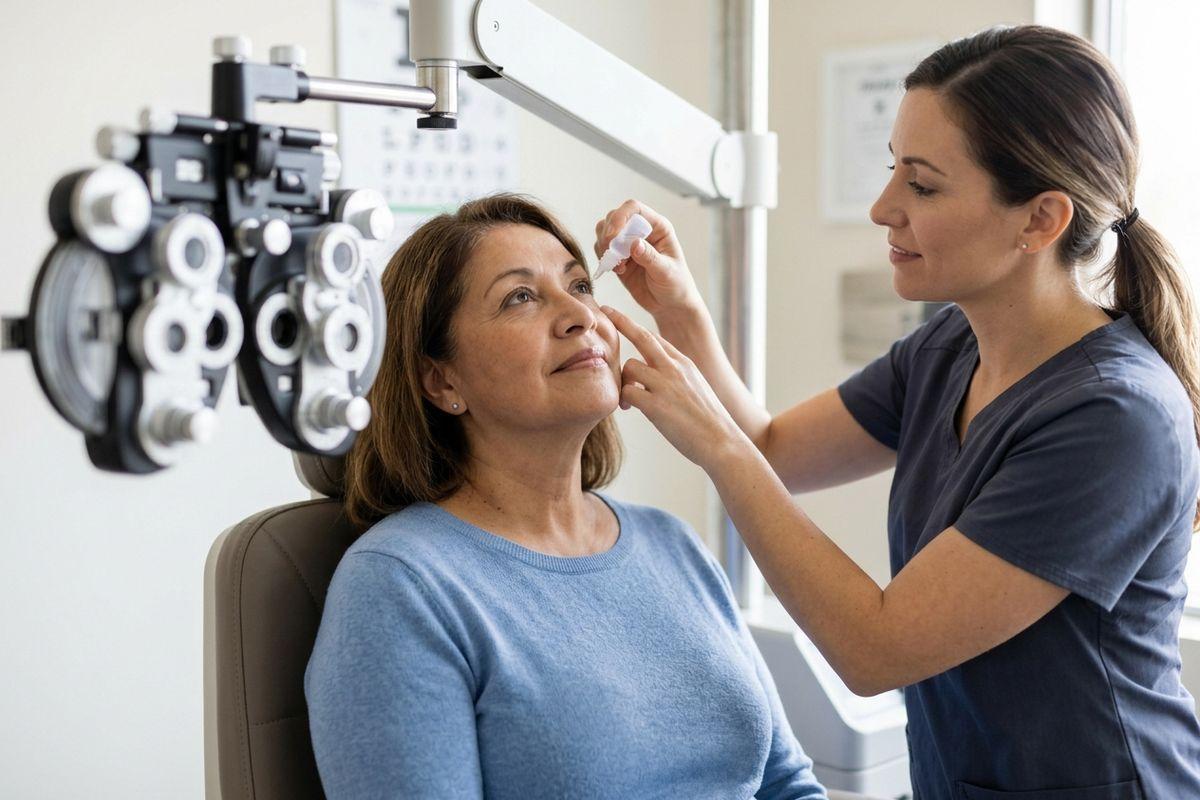
Next comes a closer look at the inside of your eye. Diabetic eye exams often involve dilation drops in order to widen your pupils and give us a clearer look at your retina. From there, a few quick tests round out the picture. These may include:
- Retinal photos to capture detailed images of the back of your eye.
- An OCT scan to show the layers of your retina in fine detail.
- An eye pressure test, which checks for signs of glaucoma.
After the Exam
The effects of dilation drops stick around for a few hours after your exam. You can expect blurry vision and light sensitivity, so bring a pair of sunglasses and arrange for a ride home.
When to Visit Your Optometrist Immediately
Some symptoms can be signs of potentially serious vision issues. See your optometrist right away if you experience any of the following:
- Sudden blurriness or double vision
- Flashing lights, a sudden increase in floaters, or dark spots in your view
- Pressure or pain in your eyes
How Often to Schedule Your Exam
If you have diabetes, it’s important that you schedule regular eye exams. The American Diabetes Association recommends the following:
- Type 1 diabetes calls for a first exam within 5 years of diagnosis, then once each year.
- Type 2 diabetes calls for an exam soon after diagnosis, then once each year.
- Pregnancy with diabetes calls for a check within the first trimester.
Habits That Support Eye Health
What you do between visits matters too. Keeping your blood sugar and blood pressure in a steady range takes pressure off your eyes and helps keep you healthy. Staying active and skipping tobacco can help as well. Small daily choices add up to real support for your vision.
Ready to book your diabetic eye exam? Our team at The Village Eye Care in Surprise, AZ is here to help you protect your sight for years to come. Call today to schedule your visit.