
Key Takeaways
- Regular eye exams can help your optometrist identify problems in their early stages.
- Kids need eye checks as babies and toddlers, then yearly during the school years.
- Healthy adults often benefit from yearly eye exams, though your eye doctor’s recommendation may vary.
- Adults 65+ benefit from eye exams every 1 to 2 years.
- Contact lens wear, diabetes, or a family history of glaucoma can all mean more frequent visits.
Eye Exams Help Protect Your Vision
At The Village Eye Care, our eye doctors in Surprise use regular comprehensive eye exams as a way to help keep your eye healthy and your vision clear. How often you need an eye exam depends on your age and health. We’ll explain more of the details below.
Why Regular Eye Exams Matter for Your Health
Eye Problems Can Start Without Symptoms
Your vision can feel just fine even as changes are happening inside your eye. For instance, glaucoma often doesn’t result in noticeable symptoms until it has already started to damage your vision.
Similar situations apply for other conditions like early cataracts, age-related macular degeneration (AMD), and diabetic eye retinopathy. The earlier we identify these kinds of problems, the sooner we can start appropriate care.
Your Eyes Can Show Clues About Your Health
During an eye exam, your optometrist looks at the tiny blood vessels at the back of your eye. Changes in these vessels can point to general health conditions like diabetes, high blood pressure, or high cholesterol.
Eye Exams Can Address Vision Changes
Blurry vision can sneak up on anyone. Watch for these everyday signs:
- You squint to read the TV screen.
- You hold your phone farther away to read texts.
- Street signs look fuzzy until you’re close.
If these symptoms are familiar, updating your glasses or contacts prescription may help.
How Often Should Kids Get Eye Exams?
Babies & Toddlers
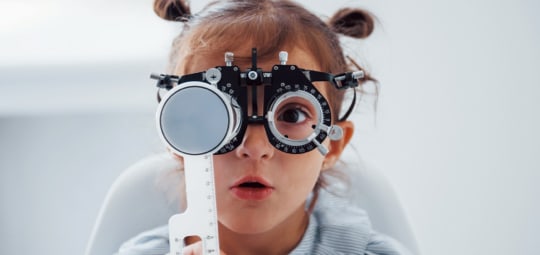
Your child’s eyes grow and change quickly in their early years. While our recommendations may change from case to case, here’s a typical schedule for little ones:
- The first checkup often happens between 6 and 12 months.
- Checkups from ages 1 to 3 track how your child’s eyes develop.
Kids 3 & Up
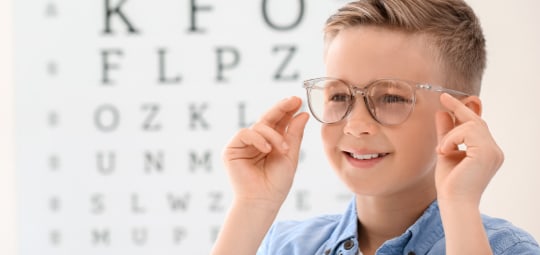
Between ages 3 and 5, your child’s eye doctor checks for eye alignment, the clarity of their vision, and signs of issues like amblyopia (often known as lazy eye). From age 5 and during the school years, we usually recommend that children get yearly eye exams to check for conditions like nearsightedness.
Early action can often help protect your child’s vision.
How Often Should Adults Get an Eye Exam?
Adults 18 to 64
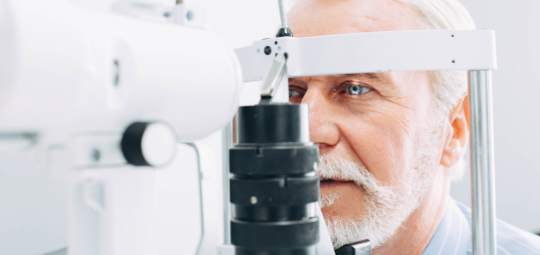
For healthy adults, an eye exam every 1—2 years is typical. However, every person is different, and we may recommend a different schedule depending on your situation.
Adults 65+
For older adults, a typical schedule means yearly eye exams. This is because, as we get older, our risk of developing conditions like cataracts and AMD increases.

When You May Need Visits More Often
You may need more frequent eye exams if any of the following apply to you:
- You wear contact lenses.
- You have diabetes or high blood pressure.
- You have a family history of glaucoma.
- You’ve had eye surgery in the past.
Potential Signs of an Eye Emergency
Call our team right away if you notice any of the following symptoms:
- You feel pain in your eye.
- You see flashes of light.
- You notice new floaters in your vision.
These symptoms can all sometimes point to a more serious issue.
What Does 20/20 Vision Mean?
The term “20/20 vision” refers to how well you can read an eye chart. It means you can see at 20 feet what a person with typical vision sees at the same distance. On the other hand, if you have 20/40 vision, it means that you can see at 20 feet what a person with typical vision can see at 40 feet.
Sharp vision is one part of eye health, but it’s only the beginning. Eye exams also check for a range of different possible conditions that could affect your health or vision.
What Happens During an Eye Exam?
During an eye exam, an eye care professional will check things like how clearly you see, how well your eyes move together, and your side vision. They’ll also check the structures of your eye to make sure that everything looks healthy. If you need glasses, they’ll also determine your prescription.
How to Prepare for Your Visit
A little prep can help your appointment go smoothly. Here’s what to bring and plan for:
- Bring a list of your medications and supplements.
- Bring your current glasses, contacts, and old prescriptions.
- Pack sunglasses and plan a ride home in case your eyes are dilated.
After Your Eye Exam
Your eye doctor will explain your results and any next steps in plain language. You’ll leave with a copy of your glasses or contacts prescription.
Book Your Next Eye Exam in Surprise
Our team at The Village Eye Care is here to help you find the right exam schedule for you and your family. Contact us today to book your next eye exam.