
Glaucoma is a common condition that affects the optic nerve, the part of your eye that sends signals to your brain. If you have a family member with the condition, it’s normal to wonder if it could affect you one day. Our team at The Village Eye Care wants you to know that early detection and proper care can help protect your sight.
Yes, glaucoma has a genetic link, but effective treatments are available to help you manage the condition and preserve your vision. Your family’s health history can give your eye doctor valuable insight, helping them to create a care plan that’s right for you.
The Family Connection and Your Glaucoma Risk
Your family’s health history can provide clues about your own health, and your eyes are no exception. Glaucoma does run in families, meaning that if a parent, sibling, or grandparent has it, your risk of developing it is higher. That doesn’t mean, however, that it is inevitable.
How Glaucoma Can Pass Through Families
Certain types of glaucoma are more linked to genetics than others. This doesn’t mean you will absolutely develop the condition if a relative has it. It just means that you should pay closer attention to your eye health and communicate with your eye care professionals about your family history.
Your Family’s Eye Health History
When you tell your eye doctor about glaucoma in your family, they get a clearer picture of your personal risk factors. This information helps them pay special attention to your eye pressure and the health of your optic nerve during routine eye exams.
Spot the Early Signs of Glaucoma
One of the challenging aspects of glaucoma is that it often develops without any symptoms. The initial vision loss typically affects your peripheral (side) vision. You may not even notice these changes until the condition has progressed.
Common Symptoms to Watch For
As glaucoma progresses, you might begin to notice symptoms such as:
- Patchy blind spots in your side or central vision
- Tunnel vision in more advanced stages
- Hazy or blurred vision
- Seeing halos around lights
Why Regular Exams Are So Important
Since symptoms may not show up until after damage has occurred, comprehensive eye exams are a good method of detecting glaucoma early. Your eye doctor can use specific tests, such as measuring your eye pressure, to check for signs of the condition before you have symptoms.
How Glaucoma Is Treated and Managed
There is currently no cure for glaucoma, but well-established, effective treatments exist to help manage the condition and protect your vision. The primary goal of any treatment is to lower the pressure inside your eye to prevent any more damage to the optic nerve.
Medicated Eye Drops
For many people, prescription eye drops are the first step in treatment. These drops work in 1 of 2 ways: They either help fluid drain from your eye or reduce the amount of fluid your eye produces, both of which can lower pressure.
Laser Treatments
A simple in-office laser procedure can also help improve fluid drainage from your eye. This option can reduce eye pressure for many individuals.
Surgical Options
If eye drops and laser treatments don’t lower your eye pressure enough, your eye doctor may recommend a surgical procedure. This surgery creates a new drainage path for the fluid inside your eye, helping to reduce pressure and slow the damage to your optic nerve.
Slow the Progression of Glaucoma
With a consistent treatment plan and regular check-ups, you can live a full and active life with glaucoma. The key is to manage the condition proactively to help keep your vision stable.
Follow Your Treatment Plan
Using your medicated eye drops exactly as prescribed is important, as consistency helps keep your eye pressure at a safe level, which protects your optic nerve from day to day.
Healthy Lifestyle Choices
A balanced diet and regular exercise can support your overall wellness, which includes your eye health. Simple habits like wearing protective sunglasses to shield your eyes from UV rays also contribute to keeping your eyes healthy for the long term.
Protect Your Vision
When it comes to your sight, early detection is key. An eye exam is an important way to confirm the health of your eyes, especially if glaucoma runs in your family.
What to Expect During a Glaucoma Check
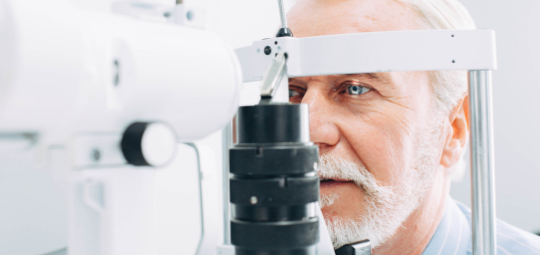
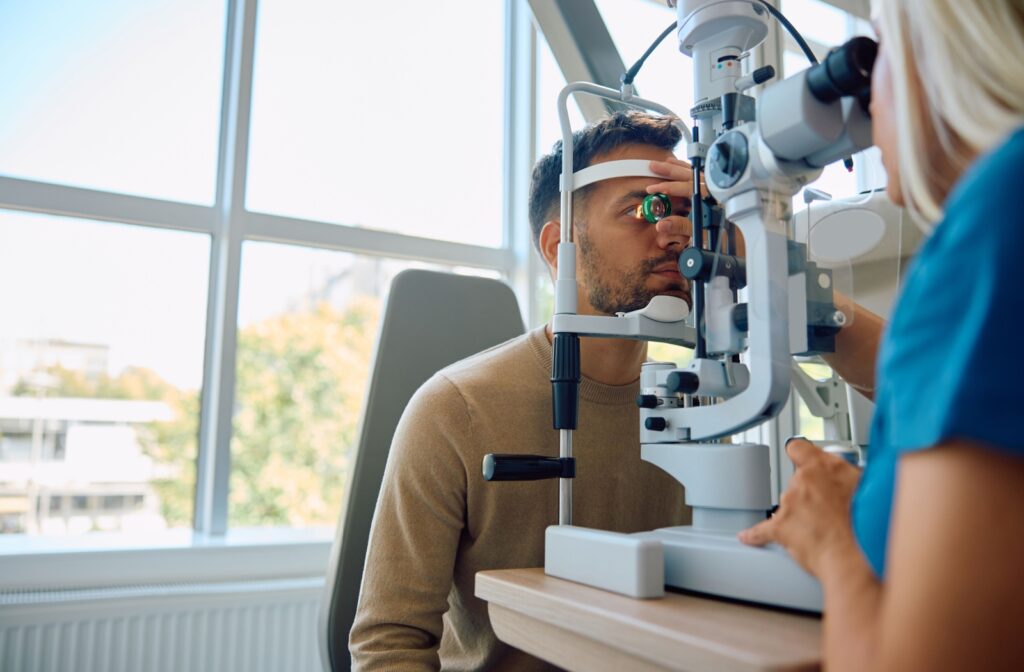
During an exam, your eye doctor performs a few simple tests. They measure your eye pressure, check your side vision, and look closely at your optic nerve for any signs of change or damage.
Schedule a Visit with Eye Doctors in Surprise
Staying on top of your routine eye care can help with your peace of mind. If you have concerns about glaucoma or it’s simply time for your regular eye exam, our team at The Village Eye Care is here to help. Book your appointment and take a proactive step in protecting your vision.